
LOGAN–HUMBOLDT GARDENS / ABOUT US
Neighbors of the 606.
Rooted here.
A small, resident-led effort to care for the everyday green spaces that connect our neighborhood.
Explore our reading list01 / HOW IT STARTED
A patch of ground.
A reason to begin.
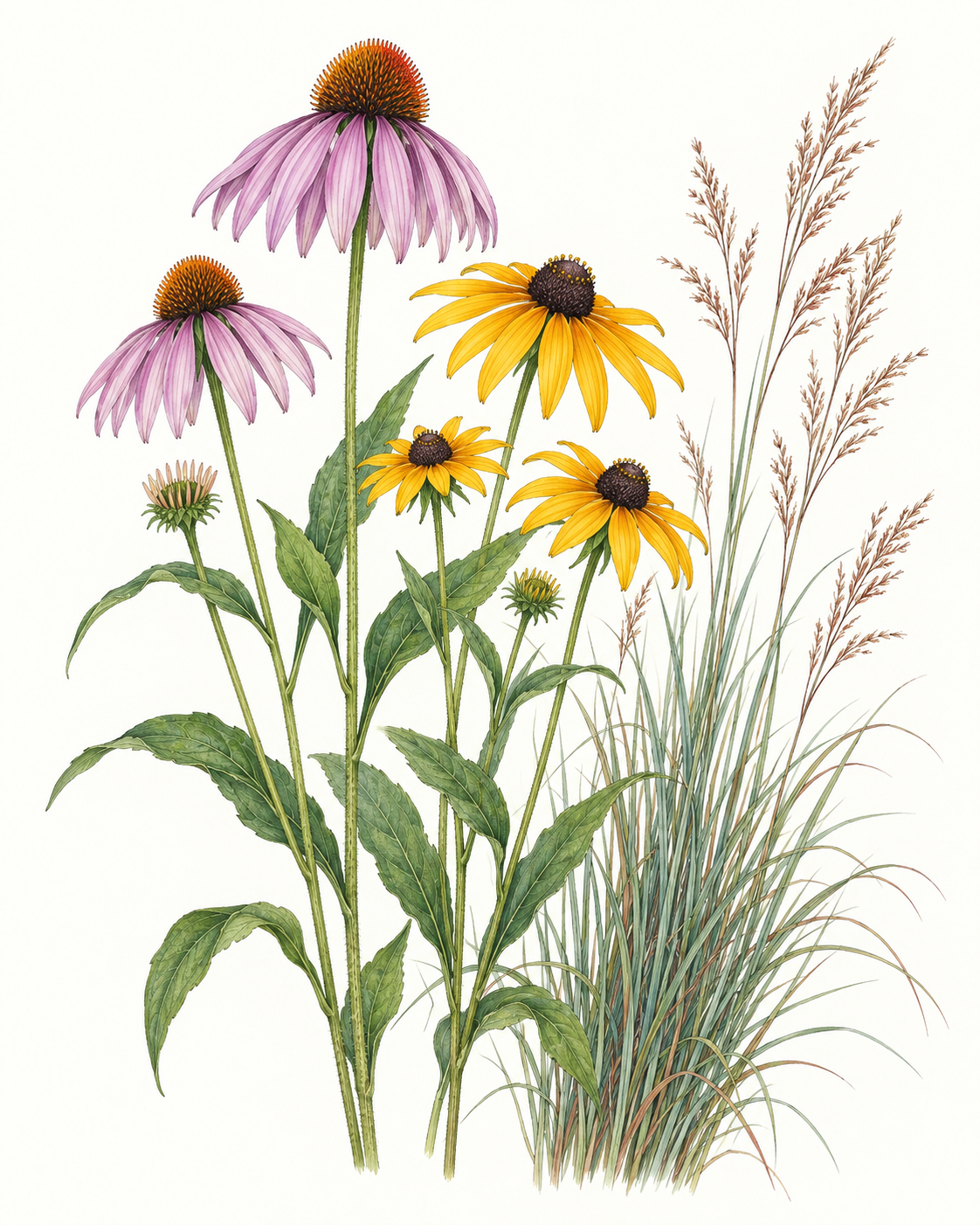
Logan–Humboldt Gardens began with two neighbors, an overgrown parkway, and the feeling that the space between sidewalk and street could offer something more.
The Parkway Project is our first undertaking: preparing that ground for native wildflowers and grasses, with planting planned for 2027. We’re starting close to home and sharing what we learn along the way.
Our hope is that a visible, well-tended garden makes it easier for someone else to imagine one on their own block. A few more flowers, a little more habitat, and neighbors paying attention to the places we share.
We’re an independent neighborhood initiative, still at the beginning. You don’t need to become a member to take an interest—or to start something of your own.
02 / THE LONG VIEW
Plant for this place.
Plan for its future.
2027 is a beginning.
Our thinking extends beyond one growing season.
Regional planning gives this small project a larger context. CMAP’s ON TO 2050 climate-resilience guidance identifies more intense storms, extreme heat, and longer droughts as challenges for northeastern Illinois. It calls for native species, habitat restoration, and sustainable landscaping as part of the response.
We’re taking that principle to the neighborhood scale: choosing plants for the conditions here, caring for soil, and considering how the garden can adapt as those conditions change.
Native planting can also help rainwater soak into the ground and provide wildlife habitat, as MWRD’s native-landscaping guidance explains. Those are the benefits we want to work toward, one small site at a time.
Our plant list is still being developed. Local light, soil, drainage, and space will guide the choices, alongside regional climate and gardening guidance.
03 / FURTHER READING
The things getting
us thinking.
Public plans, practical guidance, and local programs for anyone curious about doing something similar.
Chicago Climate Action Plan
The city’s broader climate goals and action framework. Start here for the municipal context.
Plan for climate resilience
How climate risks, green infrastructure, and native ecosystems fit into the region’s long-term planning.
Native landscaping
Why native plants matter for stormwater, soil, and pollinators—and local initiatives to learn from.
Conservation@Home
Guidance and a garden evaluation program for residents interested in supporting native plants and wildlife at home.
Weather-tolerant gardens
Plant selection and soil care for gardens facing both dry spells and heavy rain.
Rethinking the lawn
Research into alternative plant communities and their potential to support habitat, retain stormwater, and reduce maintenance-related emissions.
These independent resources inform our approach. The organizations listed are not sponsors or partners of this project. Reading list reviewed September 2026.
TAKE AN IDEA BACK TO YOUR BLOCK
Start small.
See what grows.
Explore a resource. Notice your site. Make a little room for native life.
Follow our first planting season